Your patient records are sitting on someone else's computer.
PRIZM puts them back in your building.
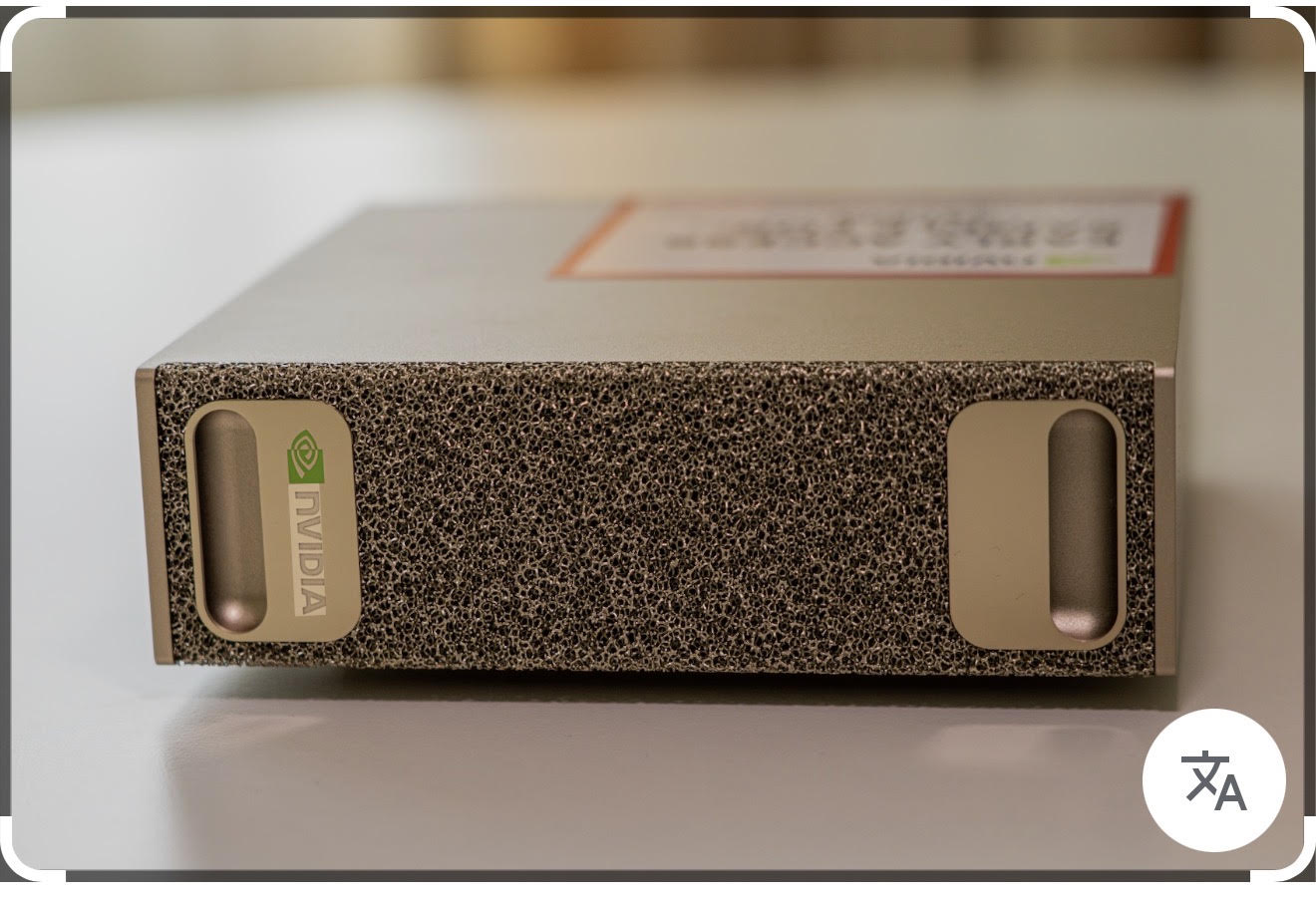
That is the whole problem. Every cloud service your practice uses — your EHR, your backups, your billing portal, your marketing vendor — keeps a copy of your patients' most private information somewhere you cannot see, on hardware you do not own, guarded by people you have never met.
When that fails, it is not the vendor that gets sued. It is the practice whose name is on the door.
PRIZM removes the target. Your records live on enterprise NVIDIA hardware inside your own building, and your backups live on drives you can physically lock in a safe.
This is already happening
These are real cases, real settlements, real practices.
Lehigh Valley Health Network
A ransomware crew called BlackCat broke in and stole patient files. The network refused to pay the ransom, so the attackers published nude medical photographs of more than six hundred cancer patients on the dark web. The class action settled for sixty-five million dollars. Individual patients collected anywhere from fifty dollars to seventy thousand dollars each.
Westend Dental, Indiana
A dental group hit by ransomware, settled with the state for three hundred fifty thousand dollars. Part of what came out in the investigation: servers holding patient data were sitting unsecured in a break room.
A Pennsylvania dental practice
Records for seventeen thousand six hundred forty patients stolen and encrypted. A single practice.
A Maryland medical group
A multi-location medical group, not a hospital chain. A ransomware attack in January 2025 exposed records for nine hundred thirty-four thousand patients. Multiple class actions followed, aimed at both the practice's security and how long it waited to notify anyone.
Federal enforcement is not just for big systems
The Office for Civil Rights has brought twenty ransomware enforcement actions against healthcare providers, with settlements running from ninety thousand to four hundred fifty thousand dollars. Small practices are on that list — solo dental offices, a radiology practice, an ambulance authority.
What a breach actually costs you
The settlement is the headline. It is not the bill.
The average healthcare data breach now costs nine point seven seven million dollars — the highest of any industry, every year running.
What makes up that number, beyond the settlement:
- Forensic investigators to determine what was taken
- Individual written notification to every affected patient
- Credit monitoring for those patients, usually for years
- State attorney general investigations, which run parallel to the federal ones
- Legal defense, which starts the day the story breaks and does not stop when the case settles
- Patients who leave and do not come back
Cyber liability insurance covers part of this. It does not cover all of it, policies carry sublimits and exclusions, and premiums after a claim go up sharply or coverage is dropped altogether. A practice that survives a breach financially often spends years paying for it.
Why it is getting worse, not better
Attackers are using AI now. That changes the math against you in three ways.
Volume
Phishing emails that used to take a person an hour to write are now generated by the thousand, personalized with details scraped from your website and your staff's social media. Your front desk is the target.
Speed
Automated tools scan the entire internet for known weaknesses continuously. The window between a vulnerability being published and being exploited used to be weeks. It is now hours.
Evasion
Security software works by recognizing patterns it has seen before. AI-generated attacks are built to be different every time, specifically so there is no pattern to recognize.
Every defense your vendors sell you is a race — their tools against the attackers' tools, and the attackers only need to win once.
Air gapped. This is the core of it.
Here is the part that matters most, and it is simple enough to explain in one sentence.
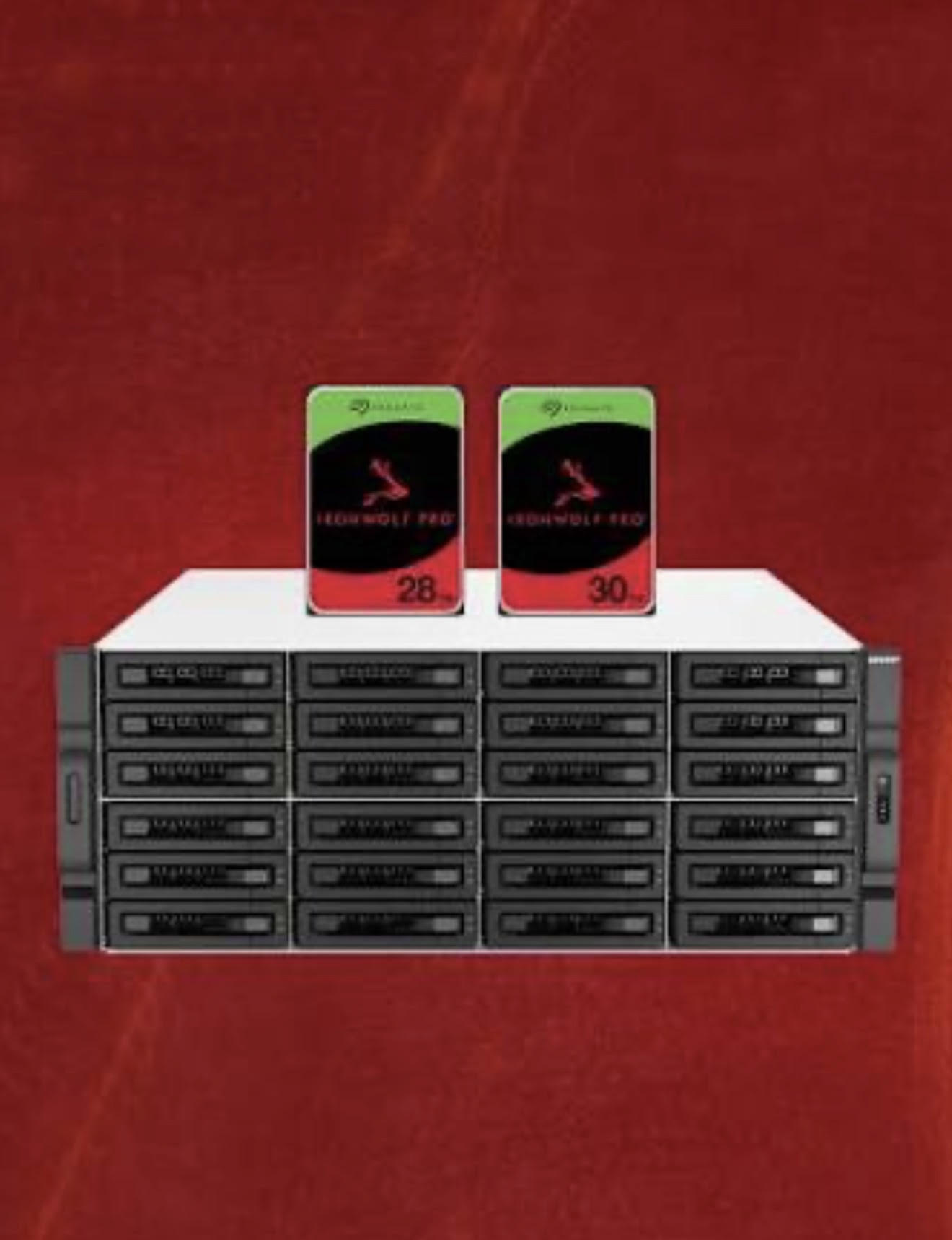
Your patient records are backed up onto physical hard drives — ten to twenty terabytes — that are installed in your office and are not connected to the internet.
Not connected to a network. Not reachable from anywhere outside the room they are in.
That is what air gapped means. There is no wire, no wireless, no route, no login, no port. A hacker in another country cannot reach a drive that has no connection to reach it by. Neither can a hacker in the parking lot.
How it works day to day
- Backups run automatically, every day. Nobody has to remember.
- When a drive fills up, the system alerts you.
- You swap it for a fresh drive and put the full one in the safe.
- The drives are encrypted. If one walked out the door, it is unreadable.
That last point is why we designed it this way. Every practice intends to do backups. Busy offices forget. PRIZM does not depend on anybody remembering.
And the working system itself — the NVIDIA hardware doing the actual computing — sits in your building too. Not in a data center. Not in a region. In your office.
The other leak: your billing
Security is the emergency. Billing is the slow bleed, and it is costing you right now.
According to MGMA, the Medical Group Management Association:
- Five percent of claims are affected by preventable billing mistakes
- Single-specialty physician practices see an eight percent first-submission denial rate
- Underpayments alone account for three to five percent of annual net revenue
- Denials and underpayments together run seven to eleven percent of net revenue
- Between fifty and sixty-five percent of denied claims are never reworked at all
Read that last one again. More than half of the money you are owed and were denied is never chased, because the person who would have to chase it is answering phones and checking in patients.
Beau — the financial watchdog
Beau is the agent inside PRIZM that does the chasing. He reads every claim against what was billed and what was actually paid, continuously, without being asked.
What he catches: underpayments, denials, write-offs incorrectly marked as unrecoverable, and orphan claims that fell out of the process entirely.
What he gives you: a verdict on each one. READY means it is clean and a human just approves it. FLAGGED means here is exactly what is wrong and here is where to get what is missing.
Accuracy: ninety-nine point four percent, measured against a five hundred claim test set.
He does not submit anything on his own. A person in your office approves every single one. Beau's job is to make sure nothing is missed, not to make decisions for you.
What you actually own
You buy the system once. After that it is yours.
The hardware is in your building. The records are on your drives. The pages, the content, the output — all yours. There is no vendor holding your data hostage at renewal time, and no monthly subscription that ends with you owning nothing.
PRIZM also works for law firms, for the same reason it works for medical practices: client files, discovery, depositions and court filings carry the same exposure and the same obligation to protect them.
The next step
We will run a surface-level audit of your current setup at no cost — what is exposed, what is out of date, and where your marketing spend is actually going.
No obligation. You look at what we find and decide from there.
774-454-7285brian@newenglandsai.com
Plymouth, Massachusetts